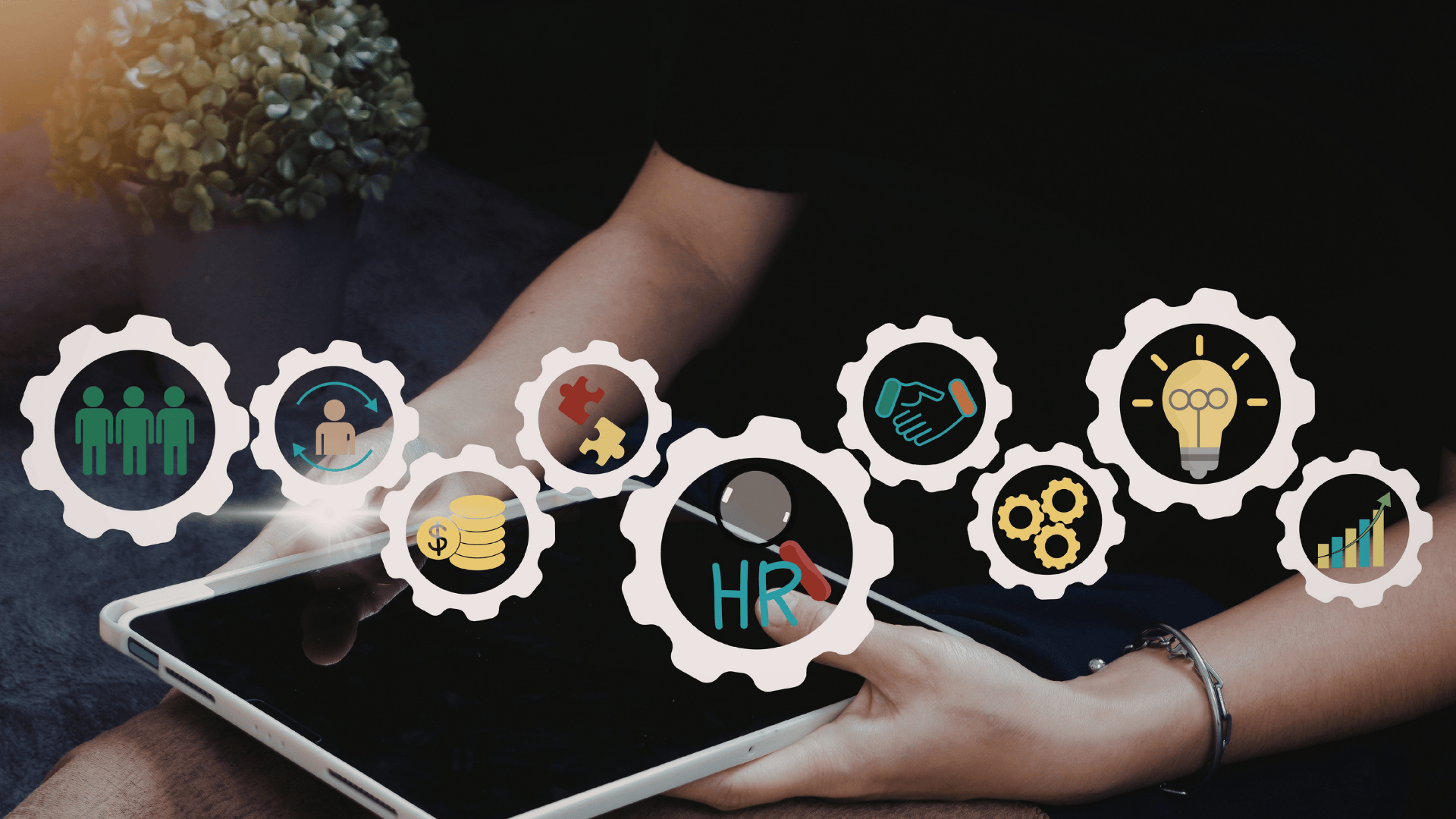
Let’s Rethink What HR Technology Is Supposed to Do
For years, HR technology has been framed as a support tool—something designed to store employee records, automate payroll, and reduce paperwork. While those functions were once revolutionary, they no longer reflect the reality of modern work. Organizations have changed. Employees have changed. Expectations have changed. Yet many HR systems still operate as if the primary goal of HR is administration. It’s time to rethink what HR technology is supposed to do—and who it is really meant to serve.
Today’s HR teams are expected to lead culture, drive engagement, improve retention, manage compliance, support managers, and help leadership make better decisions. These responsibilities cannot be fulfilled by systems that only record data after the fact. HR technology must evolve from passive record-keeping to active workforce intelligence.
How HR Technology Originally Took Shape
Early HR systems were built to solve one core problem: paperwork. Employee files, payroll records, attendance logs, and benefits documentation needed a digital home. HRIS platforms emerged as centralized databases that replaced filing cabinets and spreadsheets. For their time, these systems were efficient and transformative.
However, their architecture reflected the assumptions of that era. Work was largely static, roles were stable, and change happened slowly. HR systems were designed to document transactions, not to support dynamic decision-making or employee experience.
The World of Work Has Changed
Modern work is fluid, fast, and complex. Organizations operate across locations, time zones, and employment models. Hybrid work, remote teams, gig roles, and flexible schedules are now common. Employees expect transparency, autonomy, and growth. Managers need real-time insights to lead effectively.
HR technology that cannot adapt to this reality becomes a bottleneck. Systems built for stability struggle in environments defined by constant change. The gap between what HR technology offers and what HR teams need continues to widen.
HR Is No Longer an Administrative Function
HR’s role has expanded dramatically. HR leaders are now expected to influence business outcomes, manage organizational health, and guide workforce strategy. They must understand engagement trends, predict attrition, support leadership development, and ensure compliance across complex regulatory environments.
When HR technology focuses only on administration, it limits HR’s ability to operate strategically. HR professionals spend too much time fixing data issues, chasing approvals, and responding to preventable problems. Technology should elevate HR—not anchor it to outdated workflows.
What HR Technology Should Actually Do
Modern HR technology should function as a decision-support system, not just a data repository. It should help HR teams understand what is happening in the workforce right now and what is likely to happen next. This requires real-time analytics, predictive insights, and automation that reduces manual effort.
HR technology should anticipate problems before they escalate. It should flag burnout risks, highlight skill gaps, detect compliance issues, and surface engagement declines early. This proactive capability transforms HR from reactive problem-solving to preventive leadership.
Employee Experience Must Be Central
Employees interact with HR technology throughout their lifecycle—from onboarding to performance reviews to leave management. If these systems are clunky or confusing, employee frustration grows. HR becomes associated with delays and obstacles rather than support.
HR technology should empower employees with self-service access, clear information, and transparency. When employees can easily view their data, submit requests, and receive timely feedback, trust increases and administrative burden decreases.
Managers Need Intelligence, Not Just Tools
Managers rely on HR systems to guide performance conversations, staffing decisions, and team development. Traditional systems provide forms and templates but little insight. Managers are left to rely on instinct rather than data.
Modern HR technology should equip managers with real-time insights into team performance, workload balance, engagement levels, and skill distribution. This enables better leadership decisions and more consistent people management across the organization.
Automation Is About Focus, Not Replacement
One of the most misunderstood aspects of HR technology is automation. Automation is not about replacing HR professionals—it is about removing repetitive tasks that drain time and energy. Approvals, data updates, reminders, and compliance checks should not require constant human intervention.
By automating routine processes, HR teams can focus on meaningful work: coaching leaders, designing engagement initiatives, supporting culture, and improving employee wellbeing.
Why Data Alone Is Not Enough
Many HR systems collect vast amounts of data but fail to turn it into insight. Dashboards show numbers without context. Reports describe the past without guiding the future. HR teams are left interpreting spreadsheets rather than acting on clear signals.
HR technology should translate data into recommendations. It should highlight trends, compare outcomes, and suggest actions. Intelligence—not information—is what enables better decisions.
Compliance Should Be Built In, Not Bolted On
Compliance is one of HR’s most critical responsibilities, yet many systems treat it as an afterthought. Documents are stored, but deadlines are tracked manually. Policies exist, but enforcement is inconsistent.
Modern HR technology embeds compliance into everyday workflows. It monitors regulatory changes, tracks certifications, triggers alerts, and maintains audit-ready records automatically. This reduces risk and gives HR peace of mind.
Why Legacy Systems Hold Organizations Back
Legacy HR systems were not built for integration, flexibility, or analytics. They operate in silos, requiring additional tools to fill gaps. Over time, this creates fragmented ecosystems that are difficult to manage and expensive to maintain.
As organizations grow, these systems struggle to scale. Customization becomes complex. Adoption declines. HR teams spend more time managing systems than supporting people.
The Shift Toward Intelligent HR Platforms
Modern HR platforms are designed as unified ecosystems. They connect recruitment, onboarding, performance, payroll, engagement, and analytics into a single experience. Intelligence is embedded across the employee lifecycle.
These platforms adapt to change, support growth, and evolve with organizational needs. They are not static tools—they are strategic partners.
Rethinking Success in HR Technology
Success in HR technology should not be measured by feature lists or data volume. It should be measured by outcomes: improved engagement, reduced turnover, faster decision-making, stronger compliance, and better leadership support.
HR technology should simplify work, not complicate it. It should provide clarity, not confusion. It should empower people, not slow them down.
Conclusion
It’s time to rethink what HR technology is supposed to do. HR no longer exists to manage paperwork—it exists to manage people, performance, and progress. Systems that only store data cannot support that mission. Modern HR technology must be intelligent, adaptive, and human-centered. When HR tools align with HR’s true purpose, organizations gain more than efficiency—they gain resilience, insight, and a workforce prepared for the future.